Skip to content

Physical Sciences


Aurora Aus

Image: NASA

The Department of Physical Sciences (DPS) is a lively and innovative department of around 150 staff and students drawn from across the globe.

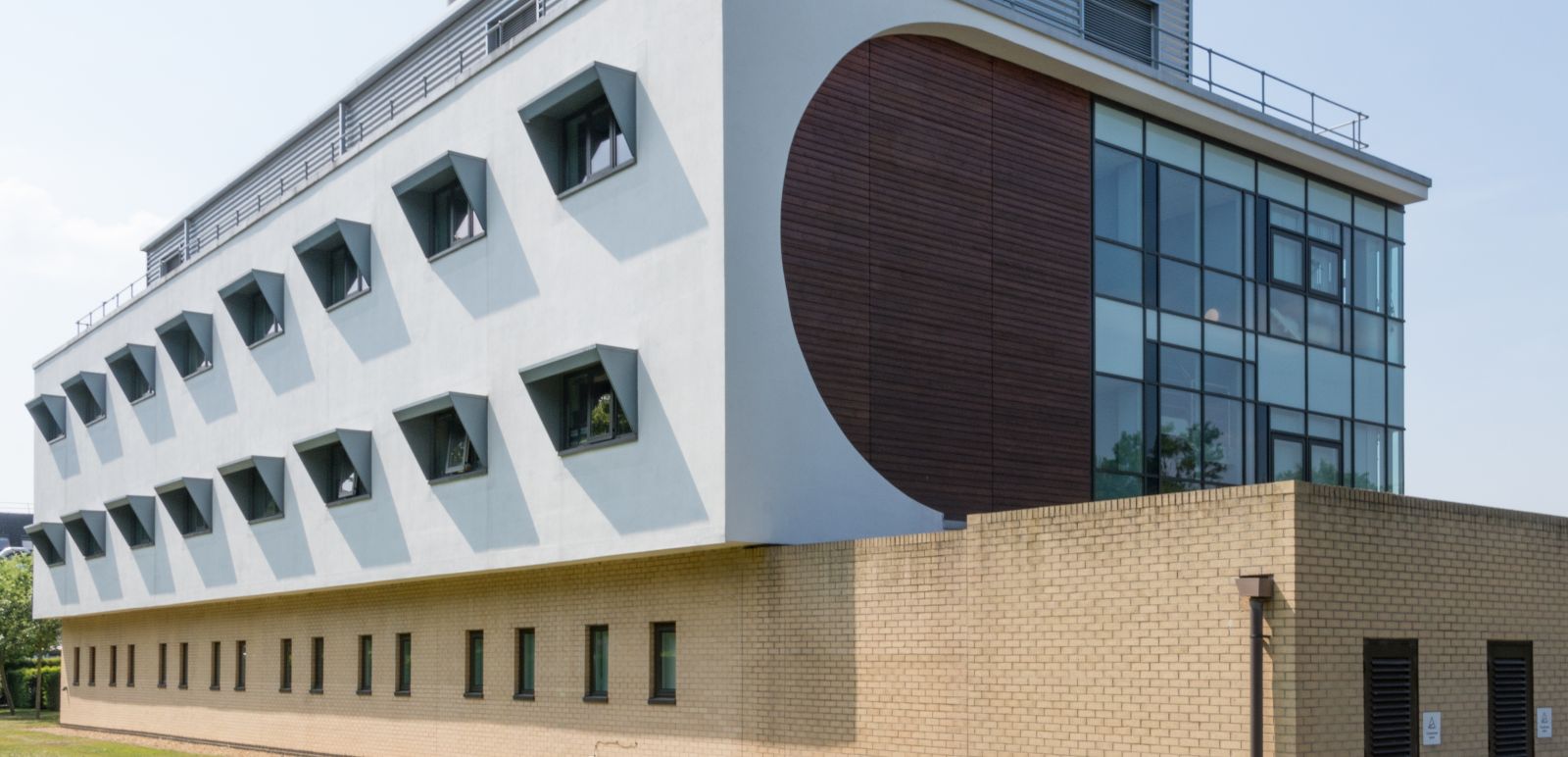
We have grown from the merger of the former Department of Physics and Astronomy with the Planetary and Space Sciences Research Institute and the Planetary Surfaces Group from Earth Sciences. Since the beginning of 2012, most of us have been housed in the Robert Hooke Building (RHB) on the Walton Hall campus, with a small outpost of planetary scientists in K Block.

The Department comprises three Disciplines:

•  Astronomy (Head: Dr Stephen Serjeant)

•  Physics (Head: Professor Nick Braithwaite)

•  Planetary and Space Sciences (Head: Professor Ian Wright)

Our research is co-ordinated through CEPSAR, and covers a wide range of subjects – from the behaviour of atoms at temperatures close to absolute zero to the merger of galaxies many light years away. We study the building blocks of stars and planets by microscopes, and stars and planets themselves by both ground- and space-based telescopes. The common thread that runs through all our research is a desire to understand the origin of matter, and how it has evolved from the Big Bang almost 14 billion years ago to what we can observe and measure today.

There are several research groups within DPS: the Centre for Electronic Imaging (CEI), the Cold Atoms Group, the Cosmochemistry Research Group (CRG), the Exoplanets Group and the Planetary Surfaces and Atmospheres Group (GASP).

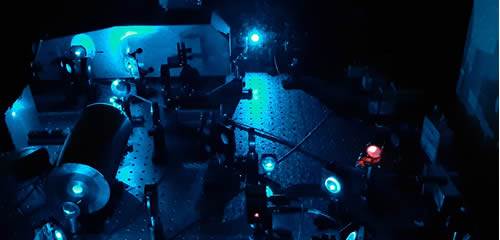
We have an unparalleled suite of analytical instrumentation in our modern laboratories on campus; this is complemented by our regular use of multi-national facilities such as the Diamond synchrotron and ESO’s telescopes. We are not just users of equipment – we also build it, and have developed some of our spaceflight instrumentation for medical and environmental applications.

Our teaching is mainly within the Physical Science curriculum, with additional significant contributions to the Geoscience strand. We are also major drivers of the Science Faculty’s flagship introductory science course, Exploring Science (S104), and its new second level practical science courses, Practical science: physics and astronomy (SXP288) and Practical science: Earth and environment (SXG288).


Professor Monica Grady
Head of Department
Physical Sciences

MG photo

Monica's Monthly Message

Each month Head of DPS, Professor Monica Grady, will keep you up to date with departmental news by way of a newsletter, click on the link below to read the current newsletter.

Monica's Monthly Message


News

  • Galaxy M66

    Dusty Stellar Nurseries from the dark side of a Galaxy

    A revolutionary new camera is producing its first detailed pictures of our neighboring galaxies, revealing vast, dusty stellar nurseries where the next generation of stars is being created. "This exquisite image from the galaxy M66 in the constellation Leo is exactly the promising start we were hoping for," said Dr. Stephen Serjeant, the team's co-leader from DPS. "This is a wonderfully exciting taste of things to come."

    18 April 2012


    more ...


  • STFC grant success: £100,000 for public engagement

    Drs Janet Sumner, Stephen Serjeant, Dave Rothery and Andrew Norton are celebrating their STFC Large Award of £100,000 for public engagement.

    30 March 2012

    more ...


  • Dr Andrew Morris

    Dr Andrew Morris turns the tables on Select Committee

    It is not every day you are summoned to appear before members of a House of Commons Select Committee – and you ask the questions!

    Dr Andrew Morris of The Open University Department of Physical Sciences found himself seated in the Boothroyd Room, Portcullis House on Wednesday, March 14, with Coalition Government Universities and Science Minister David Willetts, the Science and Technology Select Committee and Shadow Minister for Innovation and Science Chi Onwurah in his sights.

    March 19 2012 

    more ...