
My OpenLearn Profile
Personalise your OpenLearn profile, save your favourite content and get recognition for your learning


Get inspired and learn something new today
 article icon
Miscellaneous
OpenLearn’s Intro to LAWW
OpenLearn, the free learning platform of The Open University, is delighted to return as a partner of Learning at Work Week (13–19 May 2024) again this year.
 activity icon
Society, Politics & Law
Detecting Deception: Can you spot a liar?
Some money has been stolen - everyone denies taking it but some people are lying. Can you work out who is telling the truth and who is being dishonest? Find out in our interactive...
 audio icon
Money & Business
The Financial Five a Day Podcast Series
Do you want to improve your financial nutrition? This podcast series will inspire you to think more purposefully about your personal finance and money habits.
 article icon
Education & Development
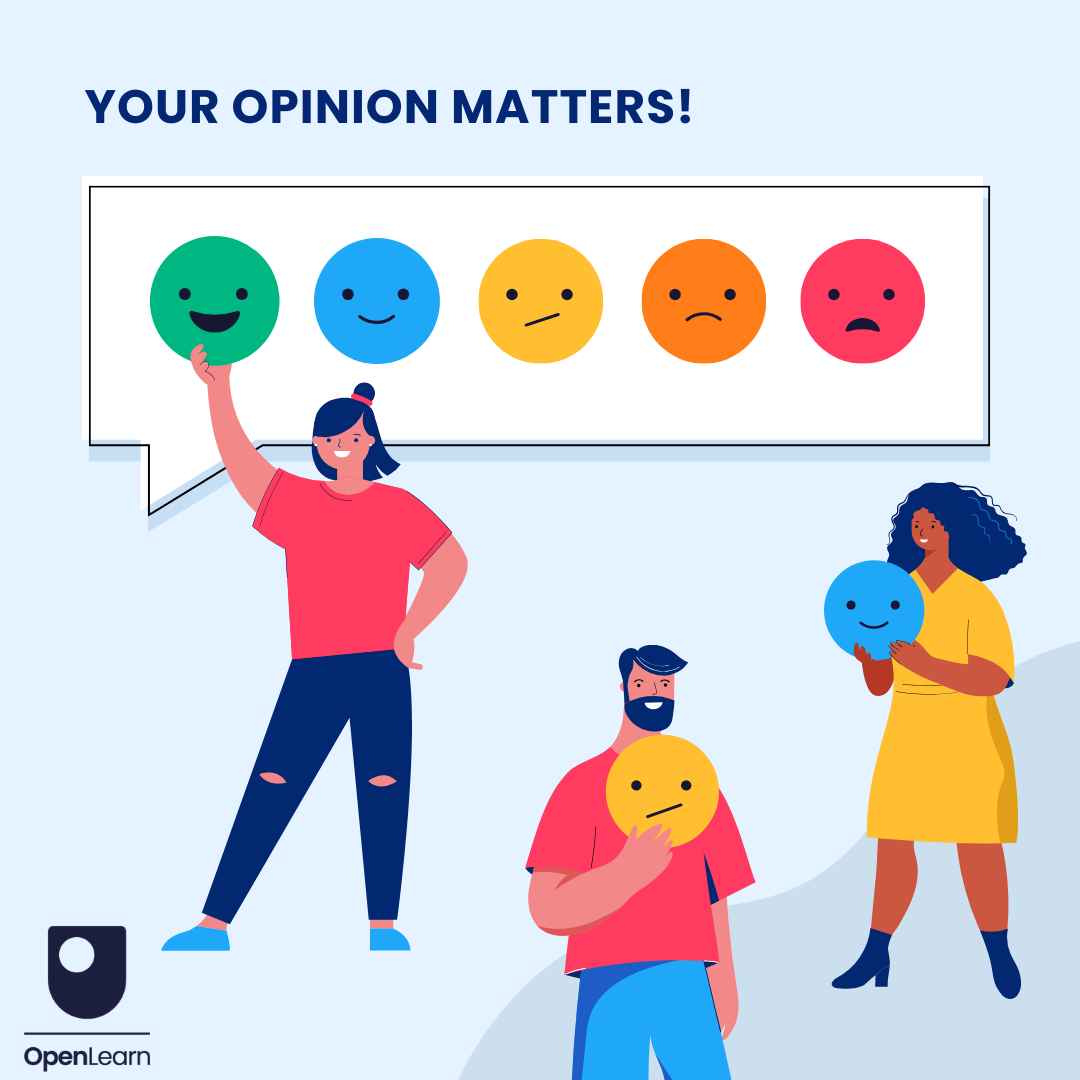
What do you think about OpenLearn? Take the survey
Let us know what you think! We are running a survey to find out more about how you use OpenLearn, what’s great and what could be improved. The aim is to provide a better free learning experience for everyone.
 free course icon
level 1: introductory icon
Badge icon
free course icon
level 1: introductory icon
Badge icon
Health, Sports & Psychology
Supporting female performance in sport and fitness
Do you support women’s performance in sport or fitness as a coach or parent? Are you a female athlete who wants to optimise your performance using recent research insights? If so, then this free course is for you. It addresses the problem of sports science research traditionally being male dominated and the assumption that if it works for men ...
 collection icon
Society, Politics & Law
Policing practice and leadership
Grow your knowledge and understanding of policing with this collection of free learning resources, bought to you by the Department for Policing at The Open University.
 article icon
Health, Sports & Psychology
Life after sport: giving back
For many athletes the transition into retirement and beyond can bring with it challenges, not least the prospect of a new and unfamiliar future.
 free course icon
level 1: introductory icon
free course icon
level 1: introductory icon
Education & Development
Learning how to learn
Learning how to learn: a process we all engage in throughout our lives, but no single method of learning guarantees success. This free course, Learning how to learn, aims to make the process of learning much more explicit by inviting you to apply various ideas and activities to your own study as a way of increasing your awareness of your own ...
You can use OpenLearn to
Study free courses
From 1 to 100 hours of learning - discover hundreds of free courses to inspire and inform everyone.
Free coursesEarn while you learn
Earn a free digital badge or Statement of Participation as evidence of your learning to share with employers, friends and family.
Find out moreStudy skills
Improve your study skills and get acquainted with student life with our expertly created courses and resources.
Study skillsWork skills
Boost your employability skills and find useful resources to help you with your life outside of work.
Work skillsGet the most out of OpenLearn
Anyone can learn for free on OpenLearn but creating an account lets you set up a personal learning profile which tracks your course progress and gives you access to Statements of Participation and digital badges you earn along the way. Sign-up now!