
My OpenLearn Profile
Personalise your OpenLearn profile, save your favourite content and get recognition for your learning


Get inspired and learn something new today
 article icon
Science, Maths & Technology
International Planetary Protection Week
The Inaugural International COSPAR Planetary Protection Week is 22–25 April so we’ve collated some FREE resources on protecting planetary bodies as humans explore extra-terrestrial environments.
 article icon
History & The Arts
HeadStart Classical Studies
Explore the worlds of ancient Greece and Rome with this collection of free courses on the classical world.
 free course icon
level 1: introductory icon
Badge icon
free course icon
level 1: introductory icon
Badge icon
Money & Business
MSE’s Academy of Money
The Open University has joined forces with MoneySavingExpert (MSE) to produce this new free course to give you the skills and knowledge to master your finances. Packed with videos, audios, quizzes and activities the course covers all the key aspects of personal finance in six sessions of study that each take around two hours to complete.
 article icon
Nature & Environment
Earth Day 2024
The first Earth Day on 22 April 1970 activated 20 million people from all walks of life to do their bit to protect our planet. More than 50 years on, it is estimated that one billion people worldwide will engage in this year’s Earth Day.
 collection icon
Science, Maths & Technology
Design Hub
Welcome to the Design Hub. Enjoy exploring tasters of OU design teaching materials as well as a wide range of design related articles.
 article icon
Get Started
New to OpenLearn
We're always publishing lots of new open educational resources on OpenLearn. Take a look at some of our favourite new free courses, interactives and collections.
 free course icon
level 1: introductory icon
Badge icon
free course icon
level 1: introductory icon
Badge icon
Languages
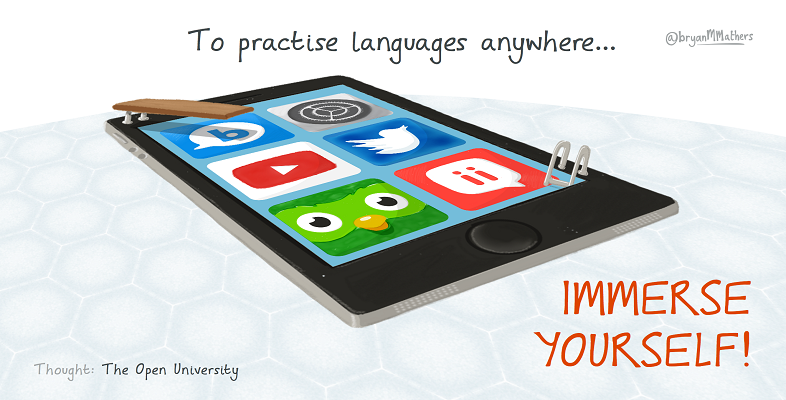
How to learn a language
Learn about the concepts and skills required to learn languages successfully. This free course, How to learn a language, introduces the skills and strategies for language learning, setting realistic goals when learning languages and keeping motivated, practise speaking skills and vocabulary learning strategies. It will enable you to evaluate ...
 article icon
Languages
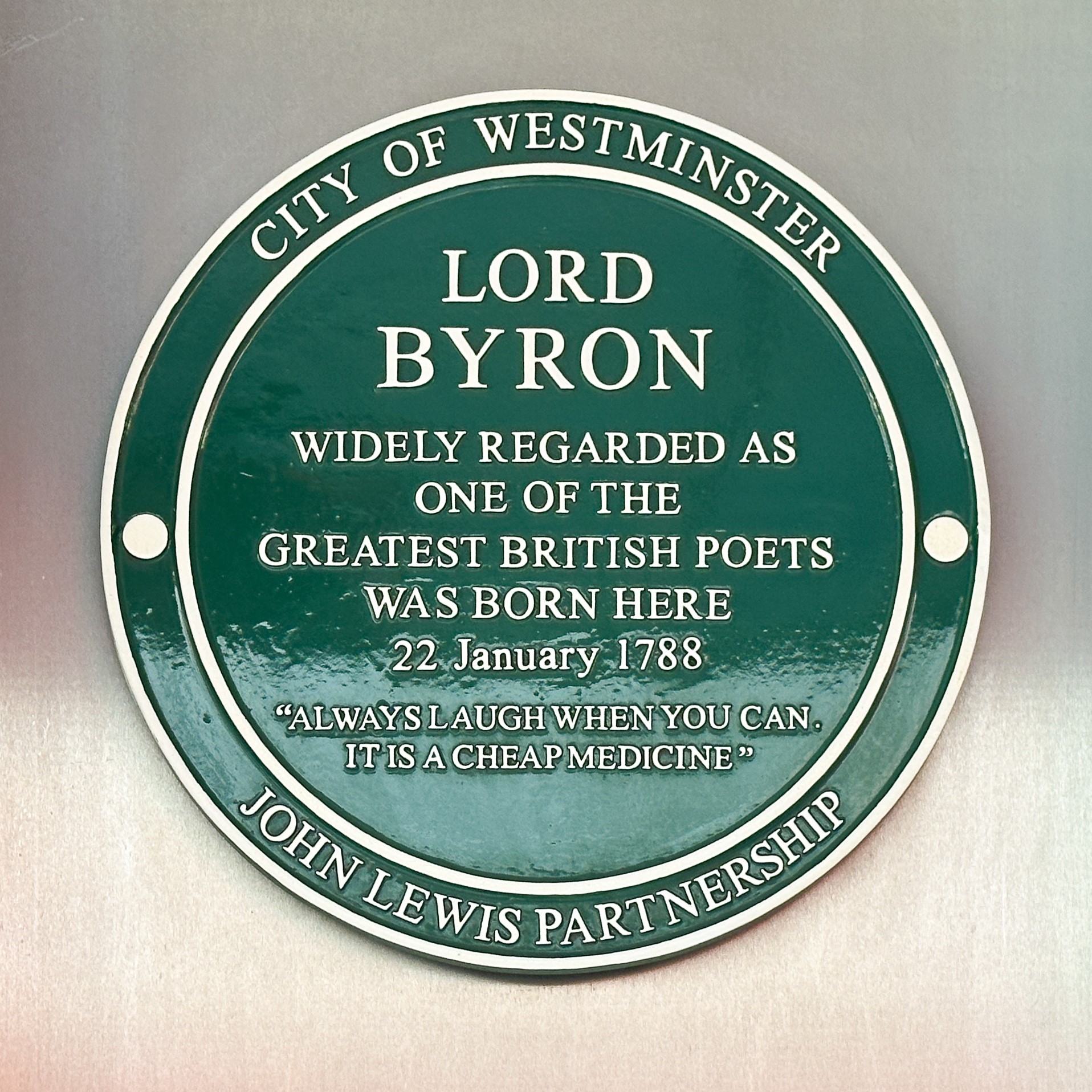
Commemorating Lord Byron on the streets of London
On the 200th anniversary of Lord Byron’s death, we explore the history of his commemoration, and how this sheds light on our understanding of English heritage.
You can use OpenLearn to
Study free courses
From 1 to 100 hours of learning - discover hundreds of free courses to inspire and inform everyone.
Free coursesEarn while you learn
Earn a free digital badge or Statement of Participation as evidence of your learning to share with employers, friends and family.
Find out moreStudy skills
Improve your study skills and get acquainted with student life with our expertly created courses and resources.
Study skillsWork skills
Boost your employability skills and find useful resources to help you with your life outside of work.
Work skillsGet the most out of OpenLearn
Anyone can learn for free on OpenLearn but creating an account lets you set up a personal learning profile which tracks your course progress and gives you access to Statements of Participation and digital badges you earn along the way. Sign-up now!